RETHINKING CODE AS PERSONAL DATA: A HOLISTIC LEGAL PERSPECTIVE Scrutinizing Implications of Code is Personal Data Argument for Data Protection Law and Regulation of Algorithms
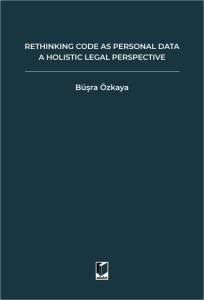
The first chapter of this book sets the stage for the central inquiry by providing essential context and framing including background, formulation of the main research questions and sub-questions, a literature review and methodological approach. In the second chapter, the foundational elements of the argument for treating code as personal data are examined. The building blocks of the definition of personal data including (i) information, (ii) relating to (a natural person), (iii) who is identified or identifiable, directly or indirectly are applied to code. This study substantiates that code can qualify as personal data in certain cases through its design, purpose, or impact. Qualifying code as personal data requires the application of the GDPR to the entire lifecycle of ADM systems, which results in certain implications concerning data protection and the regulation of algorithms. In the third chapter, the implications identified by the authors are evaluated. It is argued that certain rights- such as obtaining a copy of data- and certain principles- including purpose limitation and data minimization- provide relatively straightforward frameworks for ensuring compliance under the code is personal data argument. However, it is suggested that the implementation and interpretation of the principles of fairness, transparency, and lawfulness present more nuanced and complex challenges for ADM systems. In the fourth chapter, the authors’ explanations regarding these principles are expanded and analyzed in greater depth. The extent to which this may address information-induced harms, particularly within the context of algorithmic bureaucracy, is explored. This study examines whether the approach offers an adequate mechanism, or whether the issue is better addressed through alternative formulations-legislative or technology-specific.
-
Categories
Law
-
Subject
IT Law
- Authors
- Publishers
The transfer of the table of contents for the content is ongoing.
This book is available for the period specified under the following Digital Rights Management (DRM) Terms:
-
Permission to Print:
None
-
Cut/Copy/Paste:
None
-
Total Number of Devices That Can Be Used:
2
-
Permission to Save Book File as and Reproduce in Digital Environment:
None
Similar Books
 İnternet Bankacılığının Hukuka Aykırı Kullanımı Nedeniyle Sorumluluk
Cüneyt Tenekeci
İnternet Bankacılığının Hukuka Aykırı Kullanımı Nedeniyle Sorumluluk
Cüneyt Tenekeci
 Türk Hukukunda İnternete Erişim Hakkı Kapsamında İnternet Kısıtlamaları
Kenan Özel
Türk Hukukunda İnternete Erişim Hakkı Kapsamında İnternet Kısıtlamaları
Kenan Özel
 Blokzinciri, Kripto Paralar ve Akıllı Sözleşmelerde Güncel Gelişmeler
 Ağ Reklamları ve Haksız Rekabet
Neval Okan
Ağ Reklamları ve Haksız Rekabet
Neval Okan
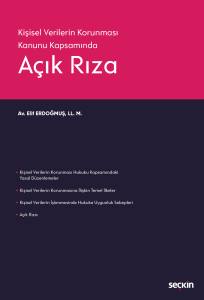 6698 Sayılı Kişisel Verilerin Korunması Kanunu Kapsamında Açık Rıza
Elif Erdoğmuş
6698 Sayılı Kişisel Verilerin Korunması Kanunu Kapsamında Açık Rıza
Elif Erdoğmuş
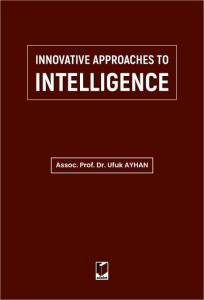 Innovative Approaches To Intelligence
Ufuk Ayhan
Innovative Approaches To Intelligence
Ufuk Ayhan
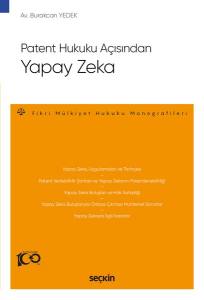 Patent Hukuku Açısından Yapay Zeka – Fikri Mülkiyet Hukuku Monografileri –
Burakcan Yedek
Patent Hukuku Açısından Yapay Zeka – Fikri Mülkiyet Hukuku Monografileri –
Burakcan Yedek
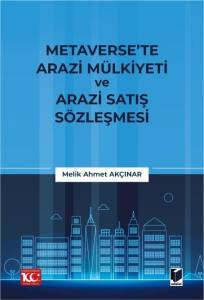 Metaverse’Te Arazi Mülkiyeti ve Arazi Satış Sözleşmesi
Melik Ahmet Akçınar
Metaverse’Te Arazi Mülkiyeti ve Arazi Satış Sözleşmesi
Melik Ahmet Akçınar
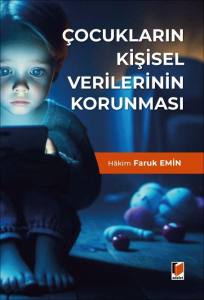 Çocukların Kişisel Verilerinin Korunması
Faruk Emin
Çocukların Kişisel Verilerinin Korunması
Faruk Emin
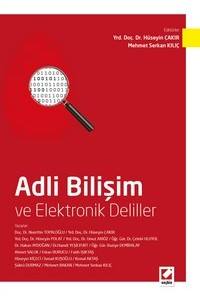 Adli Bilişim ve Elektronik Deliller
Mehmet Serkan Kılıç
Adli Bilişim ve Elektronik Deliller
Mehmet Serkan Kılıç
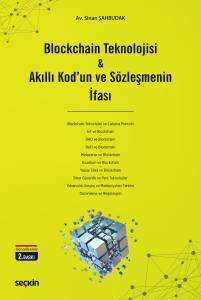 Blockchain Teknolojisi & Akıllı Kod'un ve Sözleşmenin İfası
Sinan Şahbudak
Blockchain Teknolojisi & Akıllı Kod'un ve Sözleşmenin İfası
Sinan Şahbudak
 Güncel Tehdit: Siber Suçlar
Mehmet Serkan Kılıç
Güncel Tehdit: Siber Suçlar
Mehmet Serkan Kılıç